AI Voice Customer Service Agent: Replacing a Traditional Call Center with AI-Powered Voice Technology
AI Voice Customer Service Agent: Replacing a Traditional Call Center with AI-Powered Voice Technology
AI Voice Customer Service Agent: Replacing a Traditional Call Center with AI-Powered Voice Technology
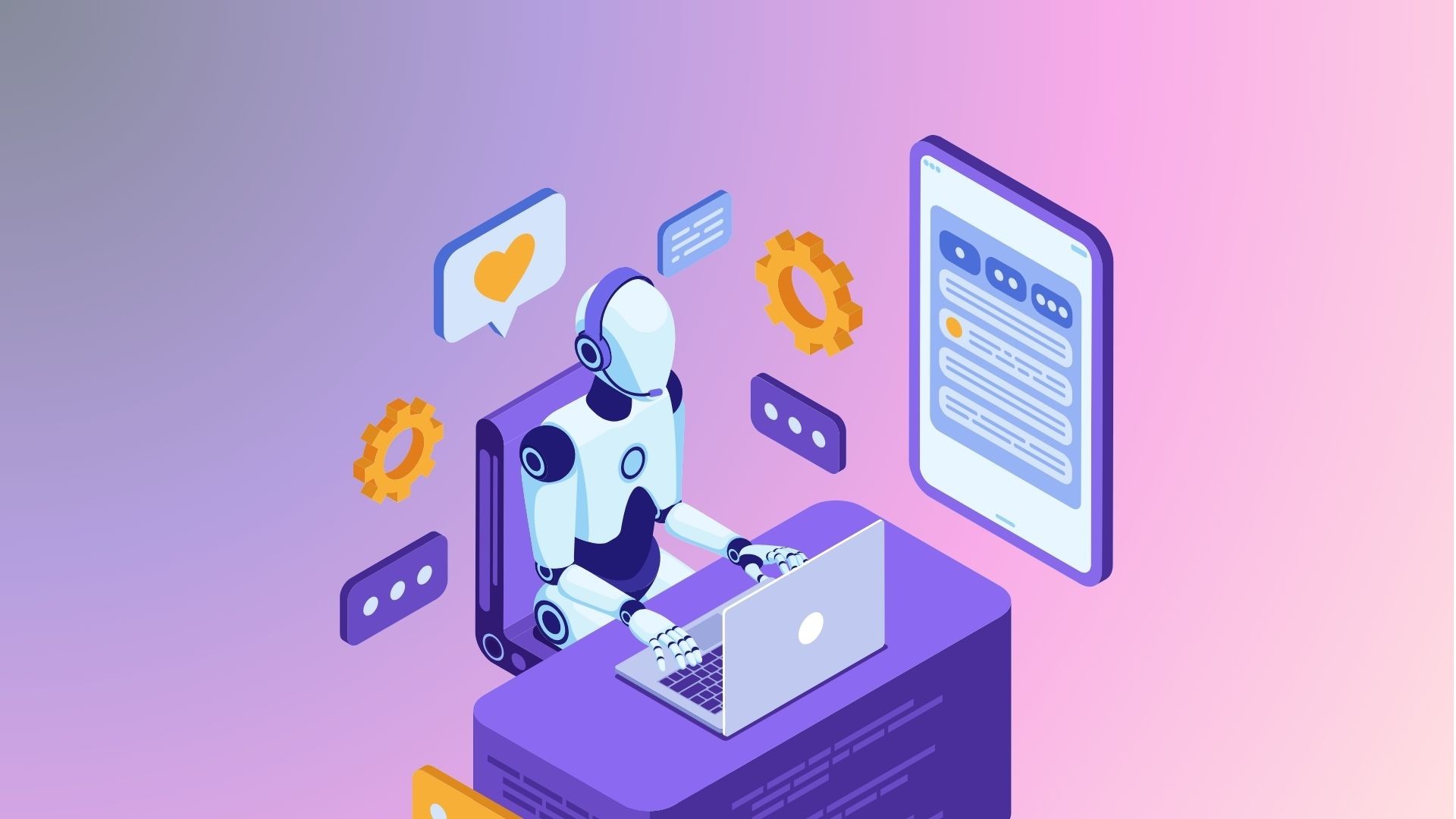
Category: AI / Voice Technology / Customer Service
Client: A Philippine pharmaceutical company
The Problem
A Philippine pharmaceutical company was outsourcing its customer service hotline to a traditional call center at significant monthly cost. The call center handled product inquiries, order processing, and complaint management, but operated on fixed schedules with limited capacity for scaling during peak periods. The company needed a solution that could provide 24/7 availability, handle conversations in multiple Filipino languages (English, Taglish, and Cebuano), and significantly reduce operational costs.
More importantly, the pharmaceutical industry has specific requirements around product information accuracy, order verification, and complaint documentation that generic AI chatbots aren't designed to handle. The solution needed to be both conversationally intelligent and operationally reliable.
Our Solution
IOL designed a comprehensive AI voice agent system combining specialized voice AI processing, large language model intelligence for conversational understanding, and Philippine telephony infrastructure. The system doesn't just answer calls — it actively looks up products, processes orders, logs complaints, and sends confirmation messages, all through natural conversation.
The architecture features real-time tool-calling, where the AI agent can access the product catalog, create orders, check inventory, and trigger SMS/email confirmations during a live call. For the Philippine market, this required integration with local telephony providers and SMS services, plus careful handling of multilingual conversations where callers may switch between English, Taglish, and Cebuano mid-sentence.
Tech Stack
Layer | Technology |
Voice AI | Voice AI platform (STT, TTS, conversation orchestration) |
LLM | Claude API (conversational intelligence, tool calling) |
Telephony | Cloud telephony provider (Philippine phone numbers, SIP) |
Backend | Node.js / TypeScript on Railway |
Notifications | SMS and email confirmation services |
Key Features
Multilingual Voice AI: Handles conversations in English, Taglish, and Cebuano with natural language switching — critical for serving diverse Filipino customers.
Real-Time Tool-Calling: The AI agent queries product catalogs, creates orders, checks stock levels, and logs complaints during live calls, not just after.
Automated Confirmations: SMS order confirmations and email receipts sent automatically after successful transactions.
Monitoring Dashboard: Live call monitoring, full transcripts, sentiment analysis, and performance analytics for quality assurance.
Phased Development: Five-phase rollout from core voice handling to full omnichannel expansion (Messenger, Viber, web chat).
Results & Impact
Complete system architecture and technical specification delivered. The system operates 24/7 without overtime costs, scales during peak periods, and maintains consistent quality. The pharmaceutical-specific requirements — accurate product information, compliant complaint handling, verified order processing — make this a reusable template for healthcare customer service.
Key Takeaways
AI voice agents are now viable replacements for traditional call centers in the Philippine market, with multilingual support that matches the country's linguistic diversity.
Real-time tool-calling makes voice AI more than a simple IVR replacement — it becomes a functional customer service agent that can take actions, not just provide information.
The cost reduction potential makes AI voice technology accessible to SMEs that could never afford traditional call center outsourcing.
FAQ
Q: Can AI voice agents handle Filipino languages?
A: Yes, modern voice AI platforms support English, Taglish, and Cebuano, with the ability to handle code-switching — where callers naturally mix languages within a single conversation.
Q: Is AI voice technology reliable enough for customer service?
A: AI voice agents maintain consistent quality across every call, operate 24/7, and can be monitored through real-time dashboards with full transcripts for quality assurance.
Q: What industries benefit from AI voice customer service?
A: Any industry with high call volumes benefits — pharmaceutical, e-commerce, financial services, healthcare, utilities, and government agencies. IOL designs industry-specific solutions with appropriate compliance and accuracy requirements.
Q: How much can AI voice agents save versus a call center?
A: Savings vary by volume, but AI voice agents typically deliver significant cost reductions compared to outsourced call centers while providing 24/7 availability and instant scalability.
Category: AI / Voice Technology / Customer Service
Client: A Philippine pharmaceutical company
The Problem
A Philippine pharmaceutical company was outsourcing its customer service hotline to a traditional call center at significant monthly cost. The call center handled product inquiries, order processing, and complaint management, but operated on fixed schedules with limited capacity for scaling during peak periods. The company needed a solution that could provide 24/7 availability, handle conversations in multiple Filipino languages (English, Taglish, and Cebuano), and significantly reduce operational costs.
More importantly, the pharmaceutical industry has specific requirements around product information accuracy, order verification, and complaint documentation that generic AI chatbots aren't designed to handle. The solution needed to be both conversationally intelligent and operationally reliable.
Our Solution
IOL designed a comprehensive AI voice agent system combining specialized voice AI processing, large language model intelligence for conversational understanding, and Philippine telephony infrastructure. The system doesn't just answer calls — it actively looks up products, processes orders, logs complaints, and sends confirmation messages, all through natural conversation.
The architecture features real-time tool-calling, where the AI agent can access the product catalog, create orders, check inventory, and trigger SMS/email confirmations during a live call. For the Philippine market, this required integration with local telephony providers and SMS services, plus careful handling of multilingual conversations where callers may switch between English, Taglish, and Cebuano mid-sentence.
Tech Stack
Layer | Technology |
Voice AI | Voice AI platform (STT, TTS, conversation orchestration) |
LLM | Claude API (conversational intelligence, tool calling) |
Telephony | Cloud telephony provider (Philippine phone numbers, SIP) |
Backend | Node.js / TypeScript on Railway |
Notifications | SMS and email confirmation services |
Key Features
Multilingual Voice AI: Handles conversations in English, Taglish, and Cebuano with natural language switching — critical for serving diverse Filipino customers.
Real-Time Tool-Calling: The AI agent queries product catalogs, creates orders, checks stock levels, and logs complaints during live calls, not just after.
Automated Confirmations: SMS order confirmations and email receipts sent automatically after successful transactions.
Monitoring Dashboard: Live call monitoring, full transcripts, sentiment analysis, and performance analytics for quality assurance.
Phased Development: Five-phase rollout from core voice handling to full omnichannel expansion (Messenger, Viber, web chat).
Results & Impact
Complete system architecture and technical specification delivered. The system operates 24/7 without overtime costs, scales during peak periods, and maintains consistent quality. The pharmaceutical-specific requirements — accurate product information, compliant complaint handling, verified order processing — make this a reusable template for healthcare customer service.
Key Takeaways
AI voice agents are now viable replacements for traditional call centers in the Philippine market, with multilingual support that matches the country's linguistic diversity.
Real-time tool-calling makes voice AI more than a simple IVR replacement — it becomes a functional customer service agent that can take actions, not just provide information.
The cost reduction potential makes AI voice technology accessible to SMEs that could never afford traditional call center outsourcing.
FAQ
Q: Can AI voice agents handle Filipino languages?
A: Yes, modern voice AI platforms support English, Taglish, and Cebuano, with the ability to handle code-switching — where callers naturally mix languages within a single conversation.
Q: Is AI voice technology reliable enough for customer service?
A: AI voice agents maintain consistent quality across every call, operate 24/7, and can be monitored through real-time dashboards with full transcripts for quality assurance.
Q: What industries benefit from AI voice customer service?
A: Any industry with high call volumes benefits — pharmaceutical, e-commerce, financial services, healthcare, utilities, and government agencies. IOL designs industry-specific solutions with appropriate compliance and accuracy requirements.
Q: How much can AI voice agents save versus a call center?
A: Savings vary by volume, but AI voice agents typically deliver significant cost reductions compared to outsourced call centers while providing 24/7 availability and instant scalability.
You might like these
You might like these
AI Document Retrieval Assistant: AI-Powered Telegram Bot for Enterprise Document Management
How IOL built an AI-powered Telegram bot using n8n workflow automation that searches enterprise databases and retrieves documents in seconds — no custom code required.
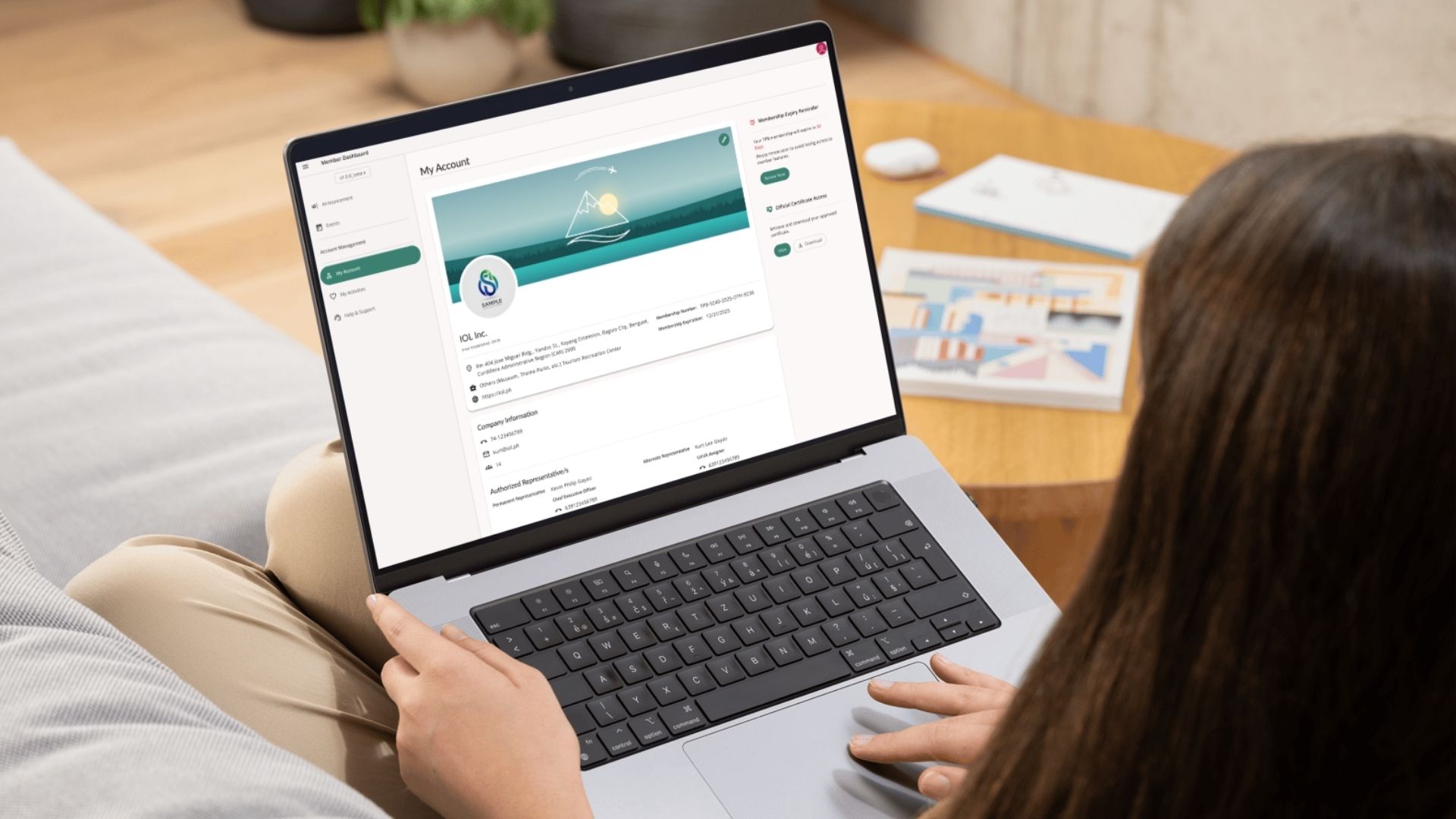
Government Agency Membership Portal: Modernizing Membership Management for a National Government Agency
How IOL won a competitive government bid and delivered a modern membership management portal with compliance automation, email marketing, and payment integration.
TalinoHR: AI-Native HRIS + Payroll Built for Philippine SMEs
TalinoHR is an AI-native HRIS platform built by accountants for Philippine SMEs. Full SSS, PhilHealth, Pag-IBIG, BIR compliance. Contact us for pricing.
AI Document Retrieval Assistant: AI-Powered Telegram Bot for Enterprise Document Management
How IOL built an AI-powered Telegram bot using n8n workflow automation that searches enterprise databases and retrieves documents in seconds — no custom code required.
Government Agency Membership Portal: Modernizing Membership Management for a National Government Agency
How IOL won a competitive government bid and delivered a modern membership management portal with compliance automation, email marketing, and payment integration.
TalinoHR: AI-Native HRIS + Payroll Built for Philippine SMEs
TalinoHR is an AI-native HRIS platform built by accountants for Philippine SMEs. Full SSS, PhilHealth, Pag-IBIG, BIR compliance. Contact us for pricing.

MoneyGlow: AI-Powered Financial Literacy App for Filipino Digital Creators
How IOL built MoneyGlow — an AI-powered financial literacy app for Filipino digital creators. Live at moneyglow.app.