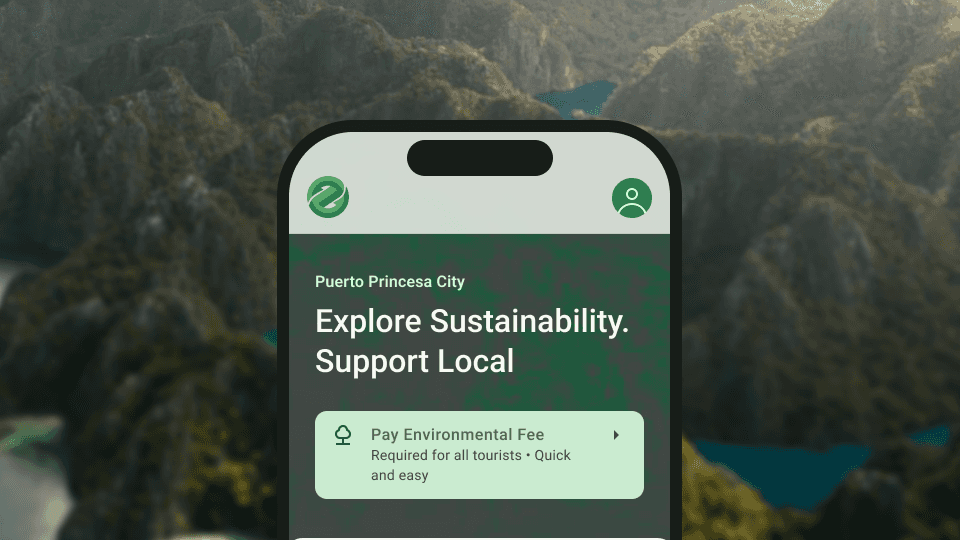
We Built Zircuvia: Designing a Green Tourism App for a UNDP-Backed Project
We Built Zircuvia: Designing a Green Tourism App for a UNDP-Backed Project
We Built Zircuvia: Designing a Green Tourism App for a UNDP-Backed Project

Kurt Lee D. Gayao
Marketing and Design Lead @ IOL Inc.
The Origin Story Back in late 2025, our team at IOL got an incredible opportunity. We were chosen to develop Zircuvia, a smart circular tourism platform specifically tailored for Puerto Princesa City, Palawan. This initiative was a key part of the Circular Solutions Innovation Challenge under the UNDP EU-Philippines Green Economy Partnership.
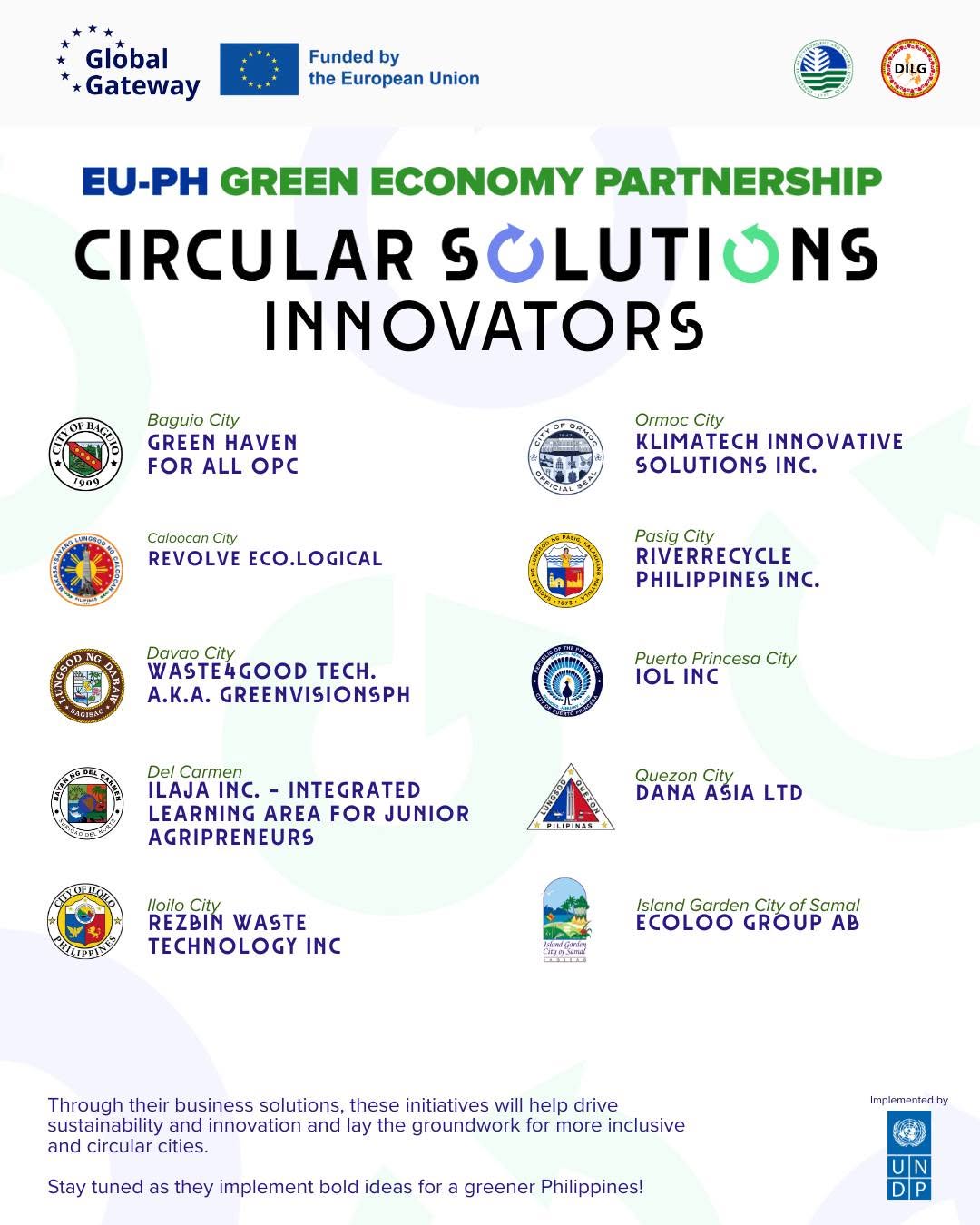
Source: UNDP Philippines Facebook Page
Honestly, it has been one of the most complex undertakings we've ever tackled. The technology itself wasn't the hard part. The real challenge was what the tech needed to accomplish: transforming how tourists interact with a destination, while simultaneously equipping local businesses and the government with a tool to measure and champion sustainability. This is the story of how we built it.
The Core Problem
Puerto Princesa isn't just one of the most highly visited destinations in the Philippines. It is also incredibly environmentally sensitive, boasting the UNESCO World Heritage-listed Puerto Princesa Subterranean River and a city identity rooted entirely in responsible tourism.
Getting more tourists wasn't the goal. The true mission was ensuring that tourism actively contributed to the environment and local economy, rather than extracting from it. We noticed a massive disconnect on the ground:
Local businesses actually practicing sustainable operations had no way to signal this to tourists.
Tourists wanting to make eco-friendly choices couldn't deliberately find those businesses.
The LGU lacked the data needed to track if circular tourism practices were genuinely being adopted.
Zircuvia was designed as the single platform to close all three of those gaps.
Hitting the Ground in Palawan
We didn't just start writing code. We packed our bags and went straight to Puerto Princesa.
In March 2026, the IOL team carried out a field visit, diving into 14 different stakeholder engagements across the city. We sat down with business owners, LGU officials, tourism officers, and community leaders. By visiting accommodations, restaurants, tour operators, and sustainability advocates, we learned how the circular economy operated in reality, not just in theory.
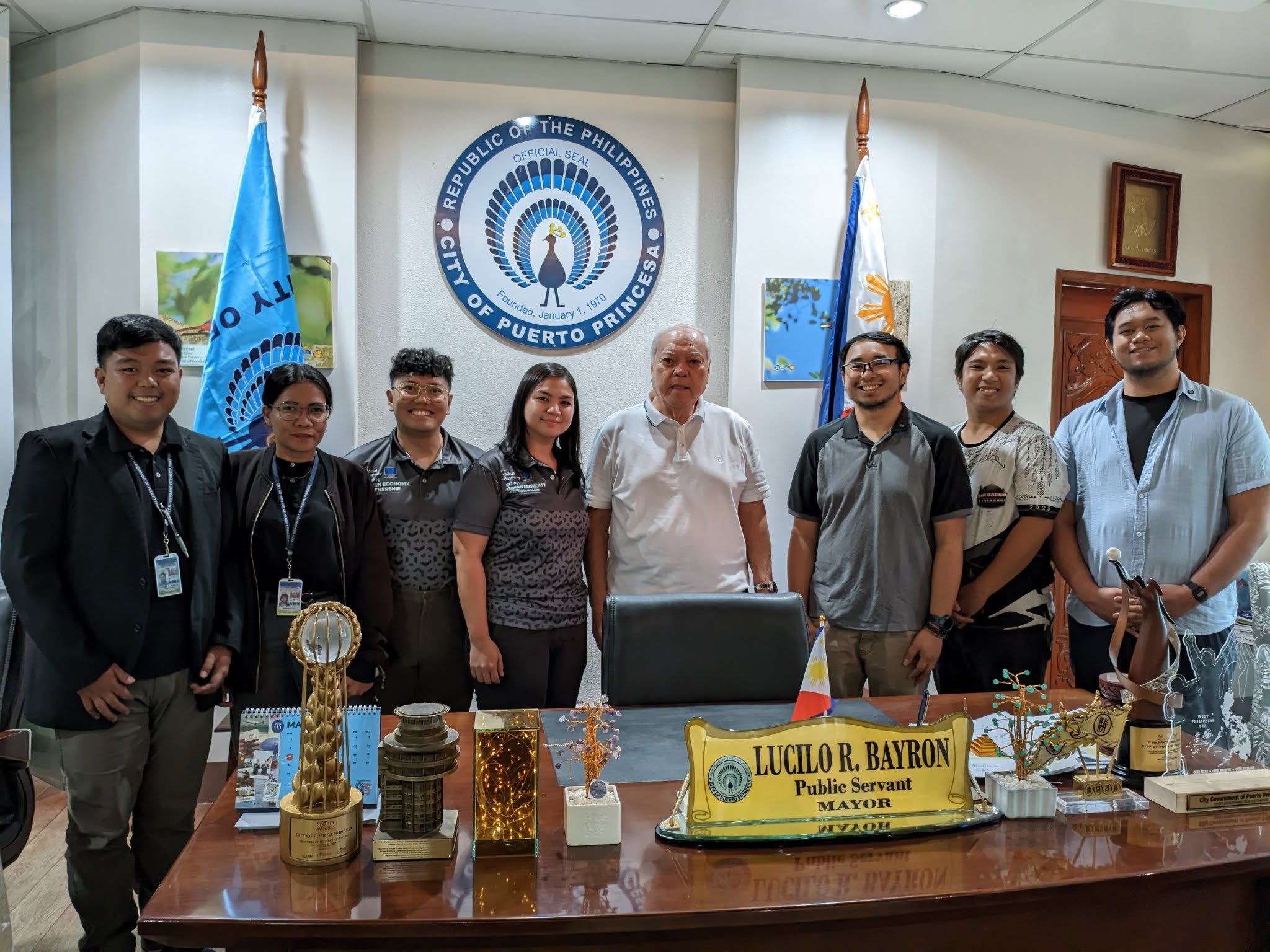
A photo of the team with the mayor of Puerto Princesa and UNDP Philippines representatives.
What we discovered completely flipped our product design approach. Ironically, the businesses most dedicated to sustainability were often the worst equipped to communicate it to visitors.
Some of them lacked websites altogether.
Many were entirely missing from the major booking platforms.
A few had earned official sustainability certifications, but had absolutely no way to display them to tourists making quick decisions on their phones.
Those 14 meetings provided us with something much more valuable than standard user research. They mapped out the very real roadblocks between good intentions and actual behavior for both businesses and tourists.
What Zircuvia Actually Is
We built Zircuvia as a Progressive Web App (PWA). This means it runs seamlessly in a browser on any device—no app store download necessary. We did this on purpose. When you're launching a tourism app aimed at both international visitors and local shops, user friction at the first point of contact has to be as close to zero as possible.
The platform breaks down into three core functions:
For Tourists: It acts as a discovery tool to find and select businesses explicitly verified for their circular and sustainable practices. It’s an essential filter for conscious travelers who want to spend their money where their values are.
For Local Businesses: It is a dynamic visibility platform. It allows them to showcase their green practices, get the recognition they've earned, and draw in the growing segment of tourists actively seeking them out.
For the LGU and UNDP: It serves as a vital data layer. It gives them a concrete way to track the adoption of circular economy practices across the tourism sector, measure real impact, and make smart, evidence-based decisions on what to promote and where to invest.
Solving the Design Puzzle
Designing a single platform for three wildly different types of users is always a massive design challenge. A tourist making a split-second decision about where to eat lunch requires a completely different interface than an LGU officer analyzing sustainability metrics.
We solved this using a role-based architecture. The platform shifts its appearance and features depending entirely on who logs in and why. Tourists are greeted with a clean, visual discovery experience. Businesses unlock a dashboard to manage their profiles and track sustainability indicators. Meanwhile, government users get access to aggregate data and reporting views.
As for the look and feel, we drew directly from Puerto Princesa’s natural identity. We leaned into earthy tones, greens, and imagery reflecting the natural environment the app is meant to protect. It needed to feel native to the destination, not like a generic SaaS product dropped blindly into a new context.
Looking Ahead
Zircuvia was moved into its final testing and development phase. It was scheduled to be demonstrated at the UNDP EU-Philippines Green Economy Partnership Demo Day in June 2026, presenting alongside other circular economy solutions developed under the same program.
But the vision goes far beyond Demo Day. The ultimate goal is to expand Zircuvia beyond Puerto Princesa to assist other LGUs across the Philippines that are actively building sustainable tourism programs. We designed the platform's architecture from day one with that exact scale in mind.
Why This Hits Close to Home
At IOL, we're a software studio based in Baguio City. We operate in a city that famously struggles with its own complicated relationship regarding tourism, environmental pressure, and the tricky balance of managing growth sustainably.
This project isn't just an abstract coding exercise for us. The exact questions Zircuvia is trying to answer are the ones we watch our own community grapple with every single day. Building technology that empowers a destination to protect what makes it worth visiting in the first place—that is the exact kind of work we started IOL to do.
Let's Connect If you represent a tourism organization or an LGU exploring digital tools for sustainable tourism, we would love to talk. Reach out to the IOL team at info@iol.ph.
The Origin Story Back in late 2025, our team at IOL got an incredible opportunity. We were chosen to develop Zircuvia, a smart circular tourism platform specifically tailored for Puerto Princesa City, Palawan. This initiative was a key part of the Circular Solutions Innovation Challenge under the UNDP EU-Philippines Green Economy Partnership.
Source: UNDP Philippines Facebook Page
Honestly, it has been one of the most complex undertakings we've ever tackled. The technology itself wasn't the hard part. The real challenge was what the tech needed to accomplish: transforming how tourists interact with a destination, while simultaneously equipping local businesses and the government with a tool to measure and champion sustainability. This is the story of how we built it.
The Core Problem
Puerto Princesa isn't just one of the most highly visited destinations in the Philippines. It is also incredibly environmentally sensitive, boasting the UNESCO World Heritage-listed Puerto Princesa Subterranean River and a city identity rooted entirely in responsible tourism.
Getting more tourists wasn't the goal. The true mission was ensuring that tourism actively contributed to the environment and local economy, rather than extracting from it. We noticed a massive disconnect on the ground:
Local businesses actually practicing sustainable operations had no way to signal this to tourists.
Tourists wanting to make eco-friendly choices couldn't deliberately find those businesses.
The LGU lacked the data needed to track if circular tourism practices were genuinely being adopted.
Zircuvia was designed as the single platform to close all three of those gaps.
Hitting the Ground in Palawan
We didn't just start writing code. We packed our bags and went straight to Puerto Princesa.
In March 2026, the IOL team carried out a field visit, diving into 14 different stakeholder engagements across the city. We sat down with business owners, LGU officials, tourism officers, and community leaders. By visiting accommodations, restaurants, tour operators, and sustainability advocates, we learned how the circular economy operated in reality, not just in theory.
A photo of the team with the mayor of Puerto Princesa and UNDP Philippines representatives.
What we discovered completely flipped our product design approach. Ironically, the businesses most dedicated to sustainability were often the worst equipped to communicate it to visitors.
Some of them lacked websites altogether.
Many were entirely missing from the major booking platforms.
A few had earned official sustainability certifications, but had absolutely no way to display them to tourists making quick decisions on their phones.
Those 14 meetings provided us with something much more valuable than standard user research. They mapped out the very real roadblocks between good intentions and actual behavior for both businesses and tourists.
What Zircuvia Actually Is
We built Zircuvia as a Progressive Web App (PWA). This means it runs seamlessly in a browser on any device—no app store download necessary. We did this on purpose. When you're launching a tourism app aimed at both international visitors and local shops, user friction at the first point of contact has to be as close to zero as possible.
The platform breaks down into three core functions:
For Tourists: It acts as a discovery tool to find and select businesses explicitly verified for their circular and sustainable practices. It’s an essential filter for conscious travelers who want to spend their money where their values are.
For Local Businesses: It is a dynamic visibility platform. It allows them to showcase their green practices, get the recognition they've earned, and draw in the growing segment of tourists actively seeking them out.
For the LGU and UNDP: It serves as a vital data layer. It gives them a concrete way to track the adoption of circular economy practices across the tourism sector, measure real impact, and make smart, evidence-based decisions on what to promote and where to invest.
Solving the Design Puzzle
Designing a single platform for three wildly different types of users is always a massive design challenge. A tourist making a split-second decision about where to eat lunch requires a completely different interface than an LGU officer analyzing sustainability metrics.
We solved this using a role-based architecture. The platform shifts its appearance and features depending entirely on who logs in and why. Tourists are greeted with a clean, visual discovery experience. Businesses unlock a dashboard to manage their profiles and track sustainability indicators. Meanwhile, government users get access to aggregate data and reporting views.
As for the look and feel, we drew directly from Puerto Princesa’s natural identity. We leaned into earthy tones, greens, and imagery reflecting the natural environment the app is meant to protect. It needed to feel native to the destination, not like a generic SaaS product dropped blindly into a new context.
Looking Ahead
Zircuvia was moved into its final testing and development phase. It was scheduled to be demonstrated at the UNDP EU-Philippines Green Economy Partnership Demo Day in June 2026, presenting alongside other circular economy solutions developed under the same program.
But the vision goes far beyond Demo Day. The ultimate goal is to expand Zircuvia beyond Puerto Princesa to assist other LGUs across the Philippines that are actively building sustainable tourism programs. We designed the platform's architecture from day one with that exact scale in mind.
Why This Hits Close to Home
At IOL, we're a software studio based in Baguio City. We operate in a city that famously struggles with its own complicated relationship regarding tourism, environmental pressure, and the tricky balance of managing growth sustainably.
This project isn't just an abstract coding exercise for us. The exact questions Zircuvia is trying to answer are the ones we watch our own community grapple with every single day. Building technology that empowers a destination to protect what makes it worth visiting in the first place—that is the exact kind of work we started IOL to do.
Let's Connect If you represent a tourism organization or an LGU exploring digital tools for sustainable tourism, we would love to talk. Reach out to the IOL team at info@iol.ph.
You might like these
You might like these
Technology as a Shield Against Corruption: Lessons from Global Anti-Corruption Innovations
Kevin Philip Gayao

Revolutionizing Business Operations: How IOL Inc. Harnesses Agentic AI to Transform Client Workflows
Team IOL

The Rising Costs of Software Development in the Philippines: Navigating the New Economic Landscape
Kevin Philip Gayao
Technology as a Shield Against Corruption: Lessons from Global Anti-Corruption Innovations
Kevin Philip Gayao
Revolutionizing Business Operations: How IOL Inc. Harnesses Agentic AI to Transform Client Workflows
Team IOL
The Rising Costs of Software Development in the Philippines: Navigating the New Economic Landscape
Kevin Philip Gayao

Generative AI in Software Development: Reshaping Coding, Collaboration, and Innovation
Team IOL